
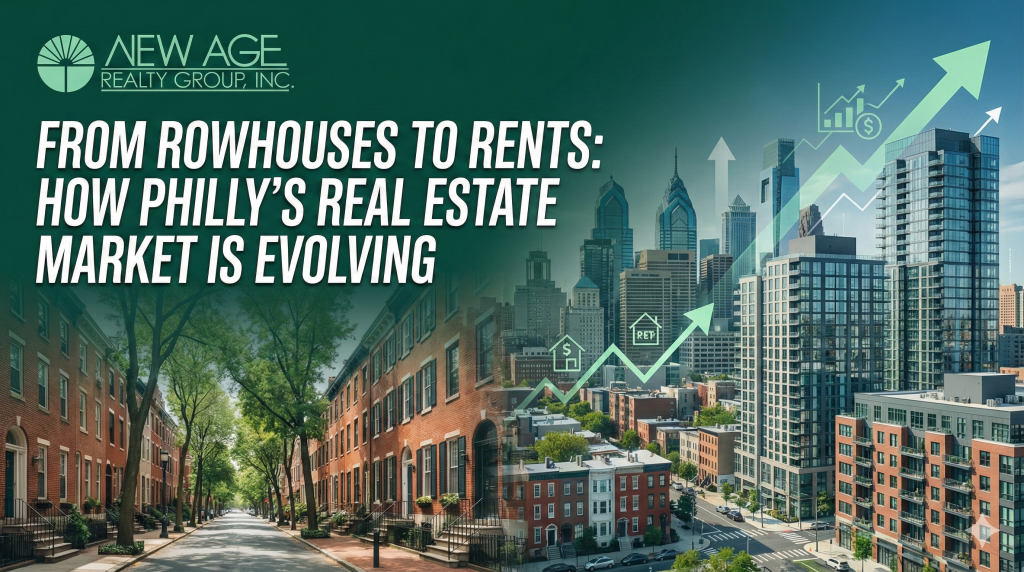
Philadelphia has always had a certain rhythm to it. Brick rowhouses. Tight-knit blocks. Corner stores that have been there longer than most people can remember. For decades, the city’s housing story felt relatively predictable.
Buy a rowhouse. Fix it up. Stay awhile. But lately, the story feels… different.
The Philadelphia housing market has shifted in ways that are subtle in some neighborhoods and dramatic in others. Investors are paying closer attention. Renters are becoming more selective. Landlords are doing more math than they used to. And Philadelphia rent prices are no longer an afterthought in national conversations.
If you have been watching from the sidelines, or trying to decide what your next move should be, it helps to zoom out and see the bigger pattern.
Because this is not just about rowhouses anymore. It is about how the city lives, rents, invests, and adapts.
The Rowhouse Is Still King, But the Strategy Has Changed
Rowhouses are still the backbone of Philadelphia real estate. That has not changed. What has changed is how people use them.
A decade ago, many buyers were owner-occupants looking for a starter home. Today, that is still true in some areas, but more rowhouses are being purchased with rental potential in mind. Some are converted into duplexes. Some are held long term as steady cash flow plays. Others are renovated with an eye toward higher-end tenants.
It is not necessarily speculative. It is strategic.
Philly real estate trends show a steady increase in small-scale investors who are not flipping, but holding. They are looking at long-term appreciation paired with consistent rent. That shift alone has influenced pricing, competition, and neighborhood dynamics.
Rowhouses are no longer just homes. They are assets. And people treat them that way.
Neighborhood Micro-Markets Are Driving the Conversation
It used to be enough to say “West Philly” or “South Philly.” Now that feels almost too broad.
The Philadelphia housing market has fragmented into micro-markets. Point Breeze does not behave the same way as Graduate Hospital. Brewerytown is not identical to Northern Liberties. Even two streets apart can produce noticeably different rent levels.
Philadelphia rent prices reflect that nuance. In some pockets, rents have plateaued. In others, they continue climbing steadily due to proximity to transit, universities, or job centers. UPenn and Drexel still exert enormous influence on West Philly rental demand. Meanwhile, neighborhoods with new mixed-use development often see rental spikes that ripple outward.
This is where investors sometimes miscalculate. They read citywide averages and assume uniform growth. That is rarely how it works.
Local context matters more than broad headlines.
Renters Are Smarter and More Selective
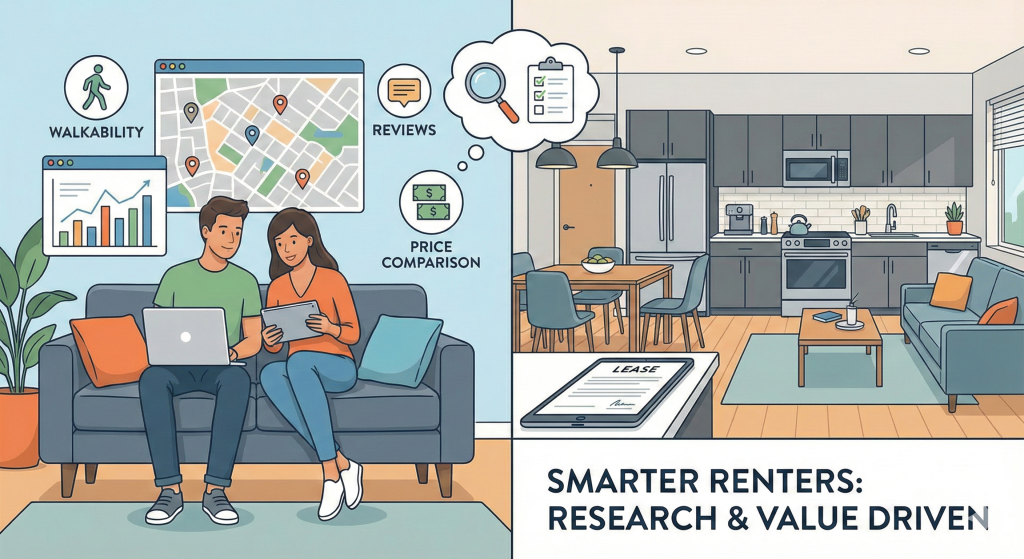
There is a noticeable shift in renter behavior. It is not dramatic, but it is consistent.
Tenants today research more. They compare listings carefully. They check neighborhood walkability. They pay attention to property condition and responsiveness.
Philadelphia rent prices may be rising overall, but renters expect value in exchange. Clean finishes. Updated appliances. Functional layouts. Transparent lease terms.
That expectation has pushed landlords to step up. Those who maintain properties well tend to lease faster. Those who do not, well, vacancies last longer than they used to.
This is one reason professional property managers have become more relevant in recent years. Not because landlords cannot manage on their own, but because tenant expectations have increased. Coordinating maintenance, screening thoroughly, and handling compliance consistently has become more time-intensive than many anticipated.
In a competitive rental environment, systems matter.
The Investor Mindset Is Maturing
There was a time when buying in Philadelphia felt like an obvious win. Prices were relatively low compared to other major cities. Appreciation felt inevitable.
Now the calculations are more layered.
Investors are weighing Philadelphia rent prices against acquisition costs more carefully. Interest rates have influenced borrowing decisions. Some are prioritizing cash flow stability over aggressive appreciation plays.
Philly real estate trends suggest a gradual normalization. Not a crash. Not a runaway boom. Something in between.
That middle ground can actually be healthier long term. Markets that move too fast often correct sharply. Markets that grow steadily allow for planning.
For investors who approach Philadelphia with patience and realistic projections, the city still presents opportunity. But it rewards research more than impulse.
Short-Term Rentals, Long-Term Rentals, and Regulation
Regulation has quietly shaped the Philadelphia housing market as well.
Short-term rental rules have tightened in certain districts. Compliance requirements for landlords have become clearer and more enforced. Security deposit regulations have evolved.
This has nudged some property owners toward long-term rentals instead of short-term experimentation. Others have chosen to work with property managers who stay current on licensing, inspections, and city requirements.
Regulatory shifts do not always make headlines. But they influence behavior.
Investors who ignore policy trends tend to get surprised. Those who monitor them adjust early and avoid friction.
Appreciation Is Still There, But It Is Uneven
Philadelphia has not experienced the extreme spikes seen in some coastal cities. That has been a quiet advantage.
The Philadelphia housing market continues to show long-term appreciation, particularly in neighborhoods with infrastructure investment and commercial growth. However, not every area appreciates at the same pace.
Some rowhouse-heavy districts have stabilized. Others are in early revitalization phases and show stronger growth potential. The trick is recognizing which is which.
It is tempting to chase “hot” neighborhoods. But often the better returns come from steady, boring areas with consistent tenant demand.
That may not sound exciting. It is usually effective.
What This Means for Landlords Today
For landlords, the evolution of Philly real estate trends means expectations have shifted.
Tenants expect professionalism. The city expects compliance. Financing requires more discipline. And competition exists, even if it is not obvious at first glance.
Working with experienced property managers can reduce friction in this environment. They coordinate leasing, maintenance, and regulatory updates so owners can focus on strategy rather than daily logistics. In neighborhoods with high turnover or strong student demand, that coordination can make a measurable difference.
At the same time, self-managing is still viable for some. It depends on time, tolerance for administrative detail, and long-term goals.
There is no single right answer. There are better-informed answers.
Where Philadelphia Is Headed
If current Philadelphia rent prices and development patterns are any indication, the city is settling into a more mature real estate phase.
Less frenzy. More calculation.
Population trends suggest continued demand in university-adjacent and transit-connected areas. Mixed-use developments are reshaping certain corridors. Investors from outside the region are showing interest, but they tend to move cautiously.
The days of buying blindly and hoping for a surge are fading.
Philadelphia remains attractive because it balances affordability, cultural depth, and rental demand. It is not the loudest market in the country. It does not need to be.
It works. Quietly. Consistently.
Final Thoughts
From traditional rowhouses to diversified rental portfolios, the Philadelphia housing market has evolved into something more complex and more stable at the same time.
Philly real estate trends point toward measured growth, neighborhood specificity, and smarter investors. Philadelphia rent prices continue to reflect strong demand, especially in areas tied to employment and education hubs.
For landlords and investors who are paying attention, this is not a market to fear. It is one to understand.
And if you are evaluating your next move, whether buying, leasing, or repositioning a property, we are always happy to talk through the numbers and neighborhood dynamics together. At New Age Realty Group, we have seen how Philadelphia evolves block by block, and we approach each decision with that long-term view in mind.
Sometimes the smartest strategy is not chasing the loudest opportunity. It is choosing the right one for the right block.
FAQs
1. Is the Philadelphia housing market still growing?
A: Yes, the Philadelphia housing market continues to show steady long-term appreciation, although growth varies significantly by neighborhood.
2. Are Philadelphia rent prices increasing?
A: Philadelphia rent prices have generally risen in high-demand areas, especially near universities and transit, though some neighborhoods have stabilized.
3. What neighborhoods are seeing the most rental demand?
A: University-adjacent areas in West Philadelphia and developing corridors with mixed-use projects tend to show strong rental activity.
4. Is it better to invest in single-family or multi-family properties in Philly?
A: It depends on goals. Multi-family properties can offer stronger cash flow, while single-family homes may appreciate steadily in established neighborhoods.
5. Do landlords need professional property managers in Philadelphia?
A: Not always, but professional property managers can help navigate leasing, maintenance, and city regulations more efficiently, especially in competitive rental areas.